
Are you managing a business, office, retail space, or commercial property in Goochland, VA? If your HVAC system uses R-410A, you may have questions about the refrigerant transition taking place in 2026.
Do you need to replace your system? Can you still schedule a commercial HVAC repair? What does R-454B mean for your next service call?
The short answer is reassuring: you usually do not need to replace a working R-410A system just because of the AIM Act. You can continue to maintain and repair existing equipment. However, new system installations are increasingly moving to lower-GWP A2L refrigerants such as R-454B and R-32.
Here is what you need to know before your next commercial HVAC service appointment.
Why is the refrigerant changing?
The American Innovation and Manufacturing Act, or AIM Act, directs the United States to reduce the production and use of high-global-warming-potential HFC refrigerants.
The EPA’s goal is an 85% phasedown of HFC production and consumption by 2036. The transition affects new air-conditioning, heat-pump, refrigeration, and commercial HVAC equipment.
R-410A has been widely used in air conditioners and heat pumps for years. Its global warming potential is approximately 2,088. R-454B has a much lower GWP of approximately 466, while R-32 has a GWP of approximately 675.
That difference is why equipment manufacturers are developing new systems around R-454B, R-32, and other lower-GWP options.

What does the 2026 transition mean for your Goochland business?
The transition affects new equipment and refrigerant supply more than it affects your currently operating system.
The EPA restrictions apply by equipment category. Dates can vary for light-commercial systems, rooftop units, variable refrigerant flow equipment, chillers, and other commercial applications. State and local requirements may also apply.
For your business, the practical changes include:
- New equipment is increasingly designed for R-454B or R-32.
- R-454B and R-32 are A2L refrigerants, meaning they are classified as mildly flammable.
- A2L refrigerants require equipment designed and approved for that refrigerant.
- R-454B and R-32 are not drop-in replacements for R-410A.
- Existing R-410A equipment can generally continue operating and receiving repairs.
- R-410A availability and pricing may change over time as production is reduced.
- Technicians need the correct tools, training, recovery equipment, and safety procedures.
You should not allow anyone to simply add R-454B or R-32 to an R-410A system. The refrigerants have different characteristics, and the equipment must be designed for the refrigerant being used.
“Your business does not need to make a rushed decision just because refrigerant regulations are changing. The right approach is to understand your current equipment, repair what makes sense, and plan ahead for the next replacement.”
, Manuel, CEO of A-Advanced Home Services
Can you repair an existing R-410A system?
In many cases, yes.
The EPA’s Technology Transitions Program does not require you to remove every existing high-GWP system from service. You can generally continue to operate, maintain, and repair your existing R-410A equipment throughout its useful life.
A qualified technician may diagnose and repair problems involving:
- Refrigerant leaks
- Compressors
- Condenser coils
- Evaporator coils
- Electrical controls
- Blower motors
- Thermostats
- Refrigerant lines
- Expansion valves
- Airflow problems
A commercial HVAC repair may be the most practical choice when your system is in reasonable condition, replacement parts are available, and the repair cost supports continued operation.
You may want to discuss replacement when your system has repeated leaks, major compressor failure, severe corrosion, poor efficiency, or repair costs that are approaching the value of the equipment.
Do you need to replace your system with R-454B?
Not automatically.
Your next step should depend on the condition, age, efficiency, refrigerant charge, and repair history of your equipment. A commercial rooftop unit that has been maintained regularly may have several useful years remaining. A system with repeated failures may justify a replacement plan.
Your technician should review:
- Equipment age and model number
- Refrigerant type
- Current system efficiency
- Repair and maintenance history
- Parts availability
- Building comfort requirements
- Operating schedule
- Energy costs
- Expected replacement timeline
- Applicable EPA, state, and local requirements
You should also remember that commercial equipment categories are not identical. The requirements for a small light-commercial split system may differ from those for a large rooftop unit, VRF system, or chiller.
Which solution fits your business?
Would you like to repair your current system, prepare for a future replacement, or replace aging equipment now? Use this simple tiered guide as a starting point.
Premium: Planned R-454B or R-32 Replacement
This option fits you when your current equipment is near the end of its useful life or your facility needs improved efficiency and reliability.
You may benefit from:
- New low-GWP equipment designed for R-454B or R-32
- Improved energy efficiency
- Updated controls and zoning options
- Greater equipment reliability
- A documented installation and safety plan
- Financing options for qualified projects
A-Advanced Home Services is a Trane dealer and can help you review available indoor comfort equipment for your property. You can explore available cooling products before requesting a project assessment.
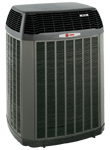
Best: Major Repair With a Transition Plan
This option fits you when your existing R-410A system can be repaired but you want to prepare for a future replacement.
You can:
- Complete the necessary repair now
- Reduce the risk of an unexpected shutdown
- Document the system’s refrigerant and equipment details
- Compare future R-454B or R-32 replacement options
- Budget for a planned upgrade instead of an emergency purchase
This approach gives you more control over timing. You can continue operating your current system while making an informed long-term plan.
Better: Commercial Service Agreement
This option fits you when preventing downtime is a priority.
A service agreement can help you schedule regular inspections before small problems become major failures. Your maintenance visits may include system checks, airflow review, electrical inspection, refrigerant-related diagnostics, and performance testing.
Regular maintenance helps you:
- Protect equipment life
- Improve operating efficiency
- Identify leaks earlier
- Reduce surprise repair costs
- Maintain more consistent indoor temperatures
- Plan replacement before a critical failure
A commercial service agreement can be especially valuable when your business depends on stable temperatures, employee comfort, customer experience, or temperature-sensitive inventory.

Good: Emergency Commercial HVAC Repair
This option fits you when your system has already failed or your building is becoming unsafe or uncomfortable.
You can contact A-Advanced Home Services for 24/7 emergency service. The team services and repairs all brands and can respond to problems involving cooling, heating, controls, electrical components, and refrigerant issues.
A proper emergency diagnosis should identify the root cause instead of only adding refrigerant or replacing a part without checking the complete system.
Learn more about 24/7 emergency HVAC service.
What should you ask during your next commercial HVAC service call?
Please ask your technician:
- What refrigerant does my system use?
- Is my equipment eligible for repair under current rules?
- Is the system leaking, and if so, where?
- Are replacement parts still available?
- Would a repair provide reasonable remaining service life?
- Would a new R-454B or R-32 system fit my building?
- What safety requirements apply to the proposed equipment?
- How would a service agreement help protect my system?
- Are financing options available for replacement or major repairs?
- What should you budget for over the next three to five years?
These questions help you compare repair and replacement based on facts instead of pressure.
How A-Advanced helps you manage the transition
You do not have to navigate the refrigerant change alone.
A-Advanced Home Services can help you evaluate your current commercial HVAC equipment, service all brands, and plan for future upgrades. You can rely on experienced technicians who focus on doing the job right the first time.
You also have access to:
- 24/7 emergency service
- Commercial HVAC installation and repair
- Service for rooftop units, split systems, boilers, exhaust fans, and make-up air units
- Trane equipment options
- Preventive service agreements
- Financing options for eligible repairs and replacements
- 10% senior discount for eligible senior customers
- Clear recommendations based on your building and budget
If your Goochland business needs an HVAC repair, system evaluation, maintenance plan, or replacement estimate, please contact A-Advanced Home Services.
Your existing R-410A system may still have useful life left. When replacement becomes the better choice, you can plan for a properly designed R-454B or R-32 system that supports your business well into the future.
Regulations and compliance dates may vary by equipment type and location. Confirm the requirements for your specific system with a qualified HVAC professional and review the EPA’s HFC phasedown guidance.